Real Time Energy And Temperature Monitoring
What Is Real Time Energy Monitoring System
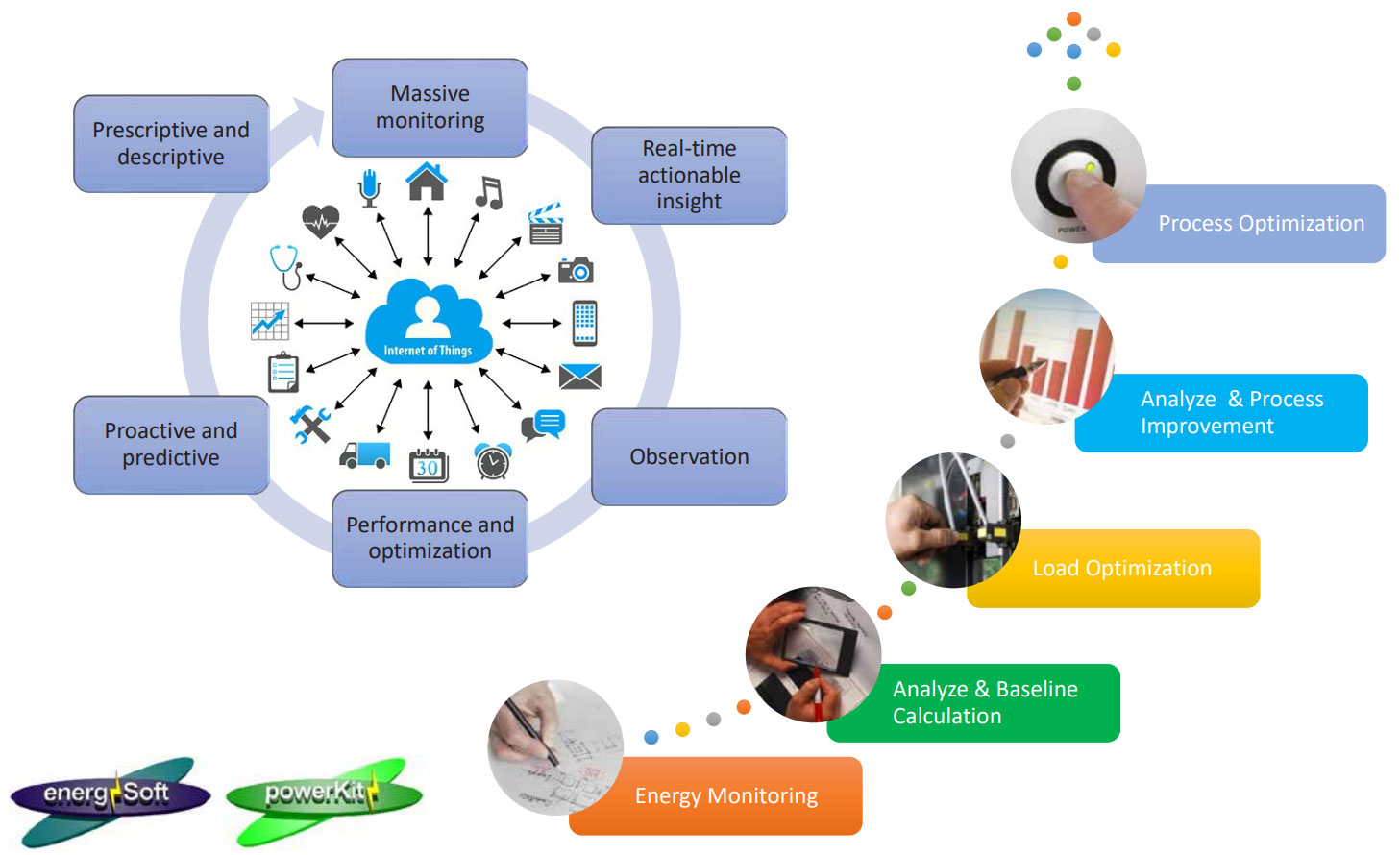
Energy monitoring aims to provide users with real time information about their energy consumption patterns and is carried out using Energy Monitoring Software. The software gathers consumption data, analyses it and then provides usefull information directly to the consumer.
Energy Monitoring And Targeting
It is an energy monitoring technique that uses energy Information to eliminate wastage, reduce and control current level of energy use and improve the existing procedures. It builds on the principle “You can’t manage what you don’t measure”
Elements Of Monitoring And Targeting
- Recording – Measuring and recording energy consumption.
- Analyzing – Correlating energy consumption to a measured output, eg. such as production output.
- Comparing – Comparing energy consumption to an appropriate standards.
- Setting Targets – Setting targets to reduce or control energy consumption.
- Monitoring – Comparing energy consumption to the set targets on a regular basis.
- Reporting – Reporting the results including any variances from the targets which have been set.
- Controlling – Implementing management measures to correct any variances, which may have occurred.
Monitoring
- Targeting systems which involves :
- Checking the accuracy of the energy invoices
- Allocating energy cost to specific departments
- Determining energy performance / efficiency
- Recording energy use, so that projects intended to improve energy efficiency can be checked
- Highlighting performance problems in equipments or systems
Benefits Of Energy Monitoring And Targeting
- Savings in energy cost
- Help reduce wastage of energy
- Improve energy efficiency
- Reduction in Green House Gasses emissions
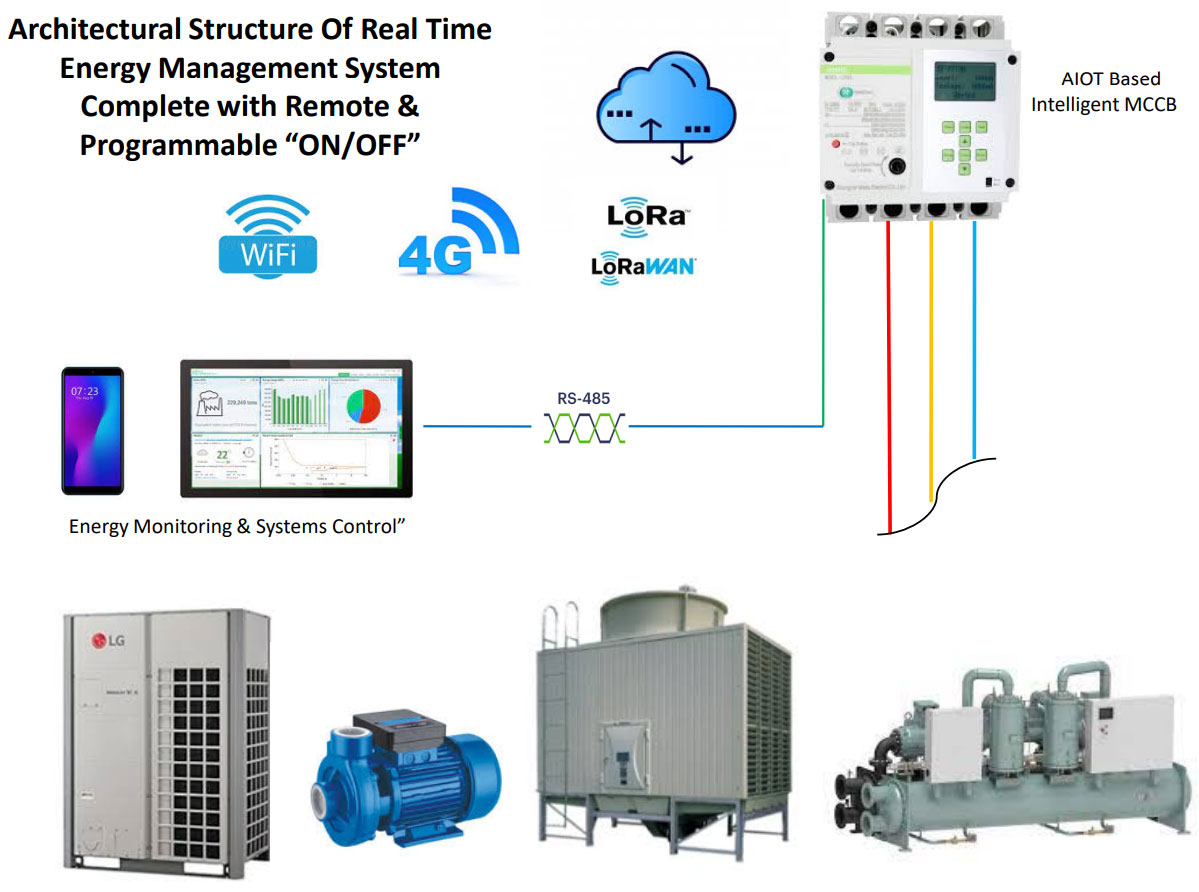
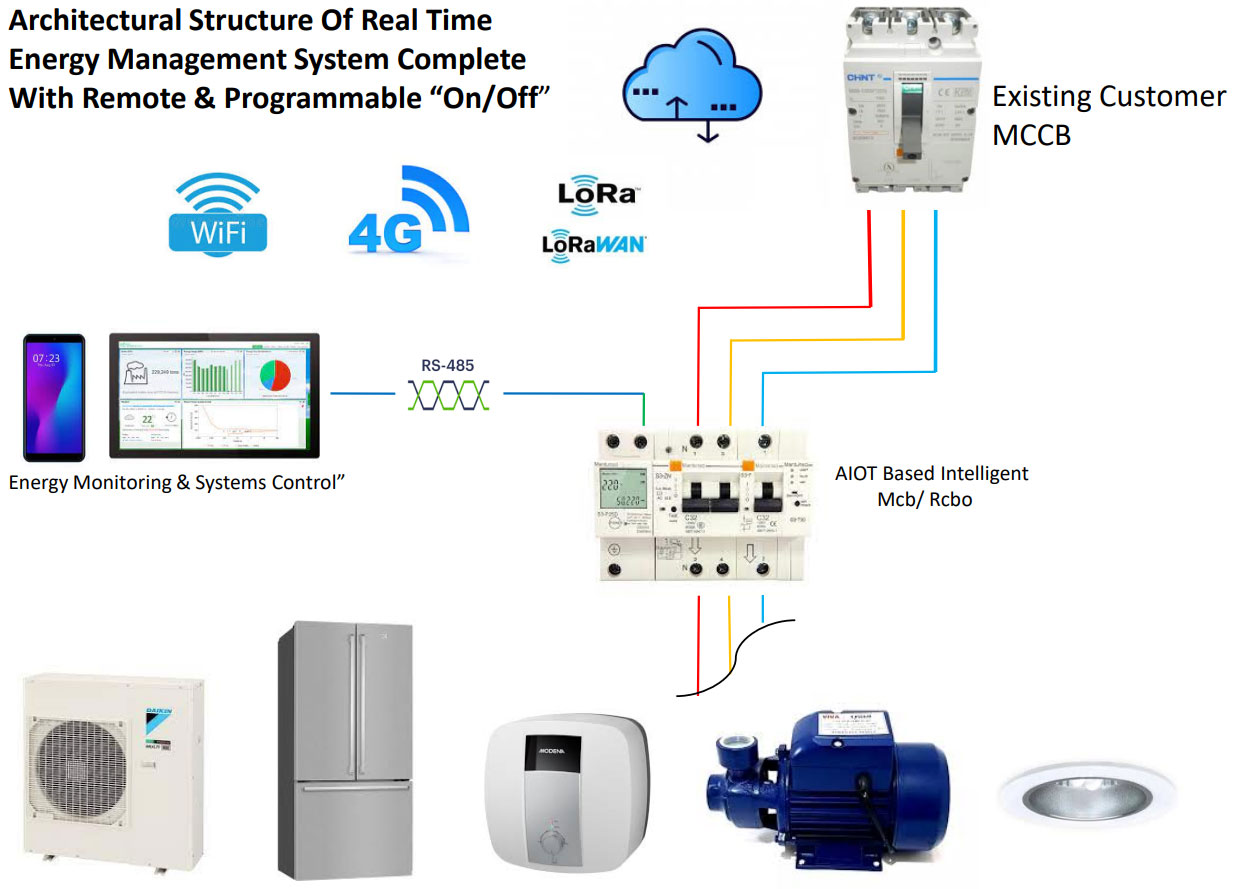
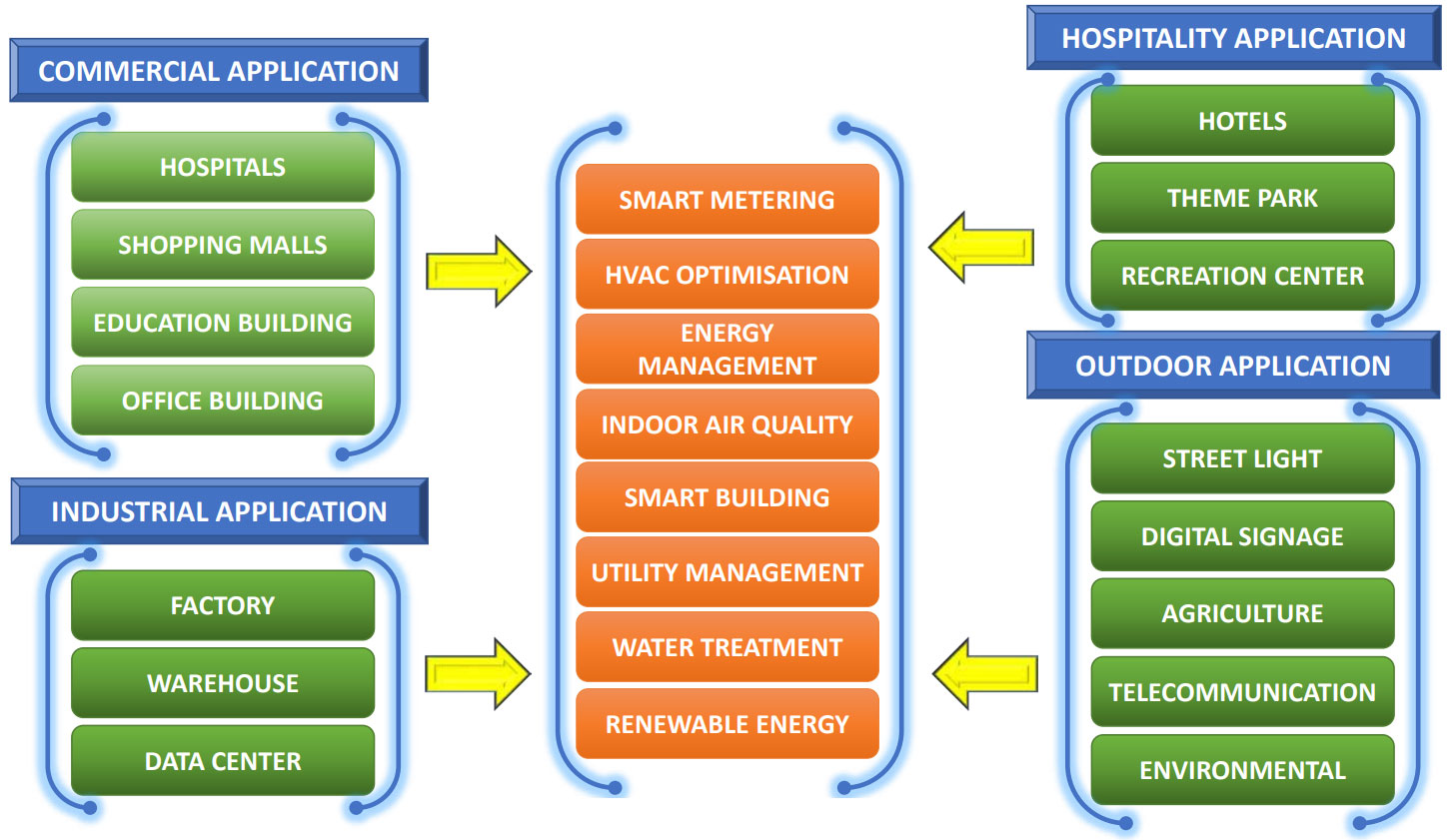
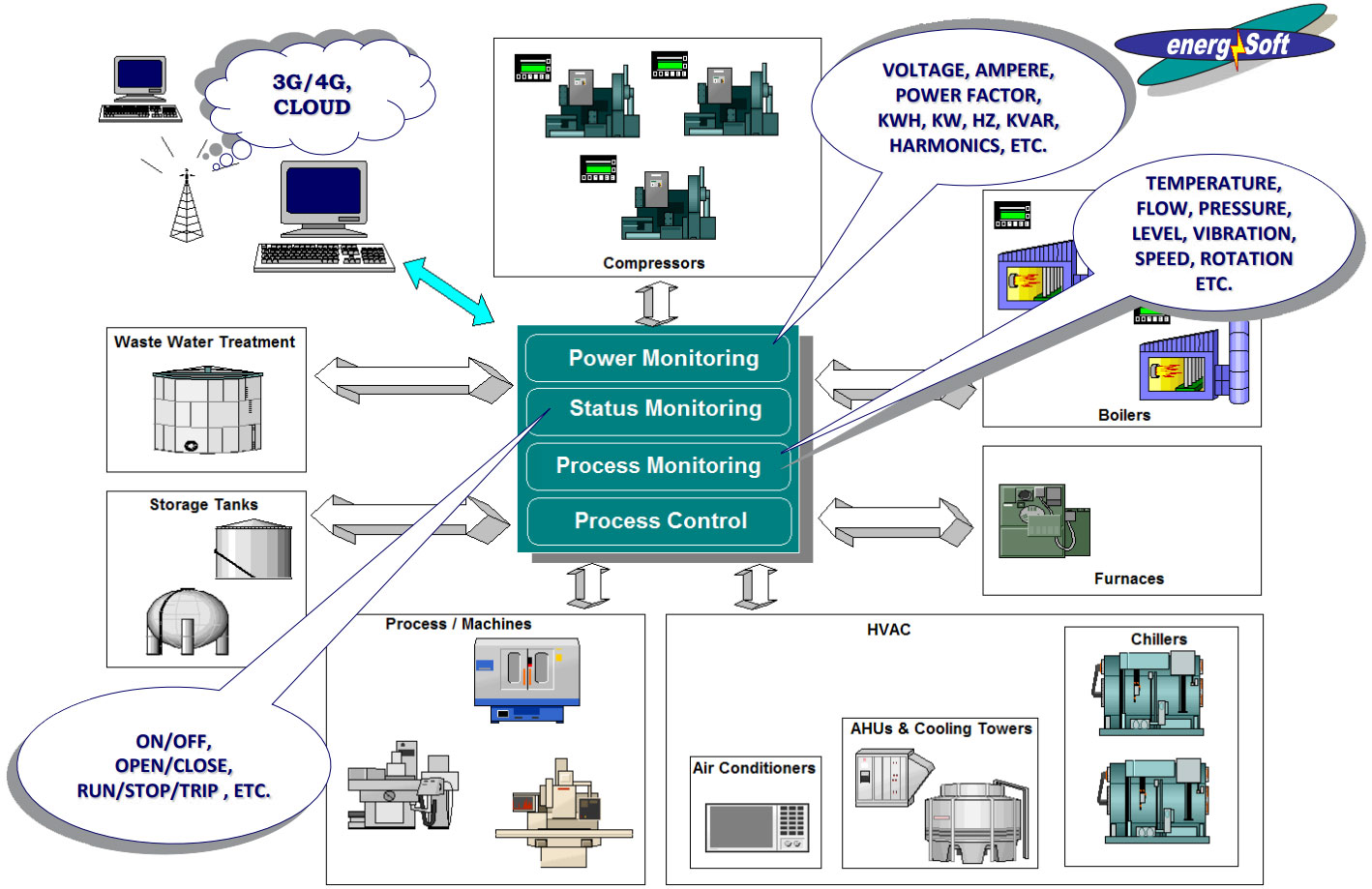
Basic System Layout Sample
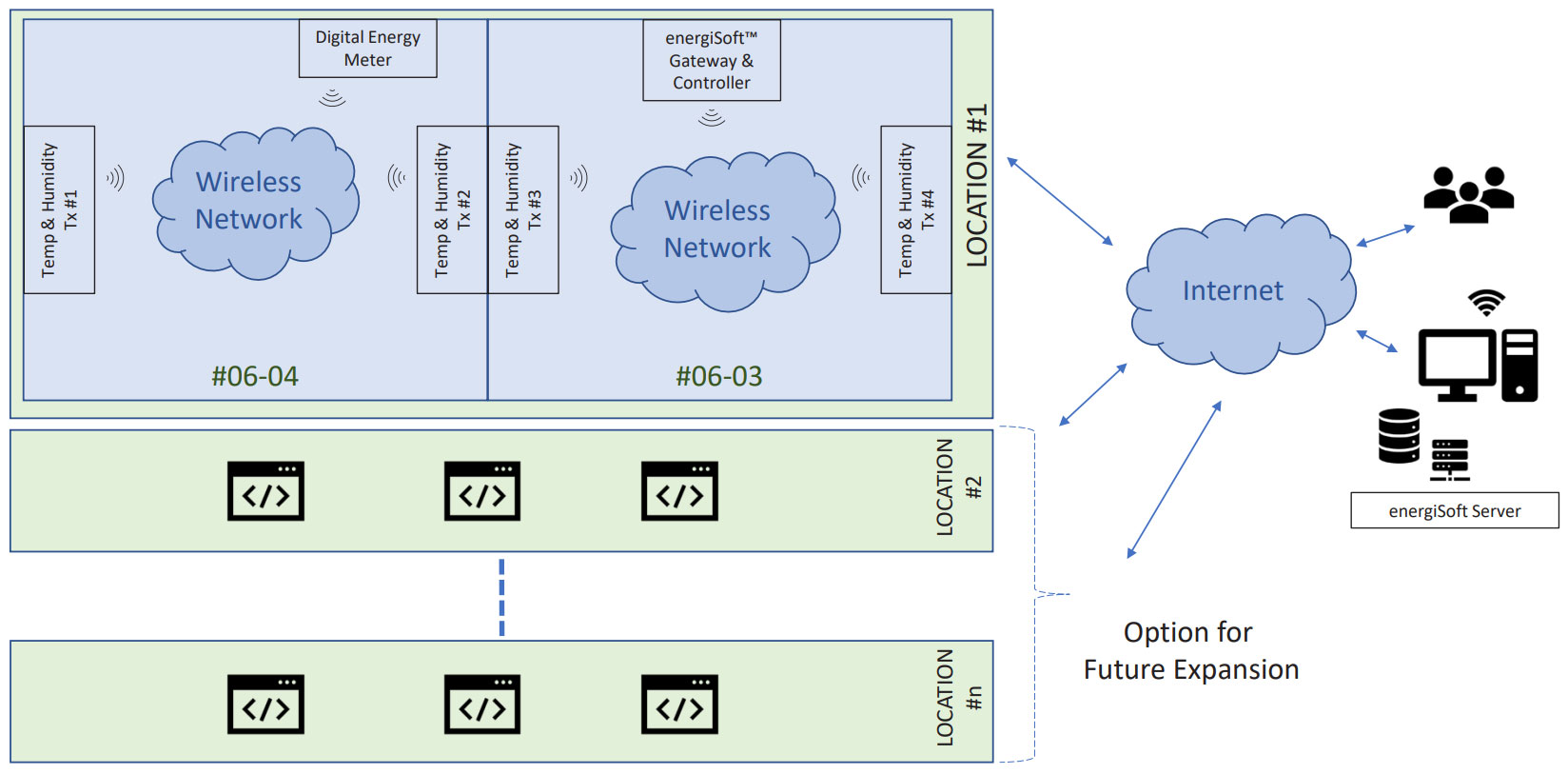
Our Solution in Detail
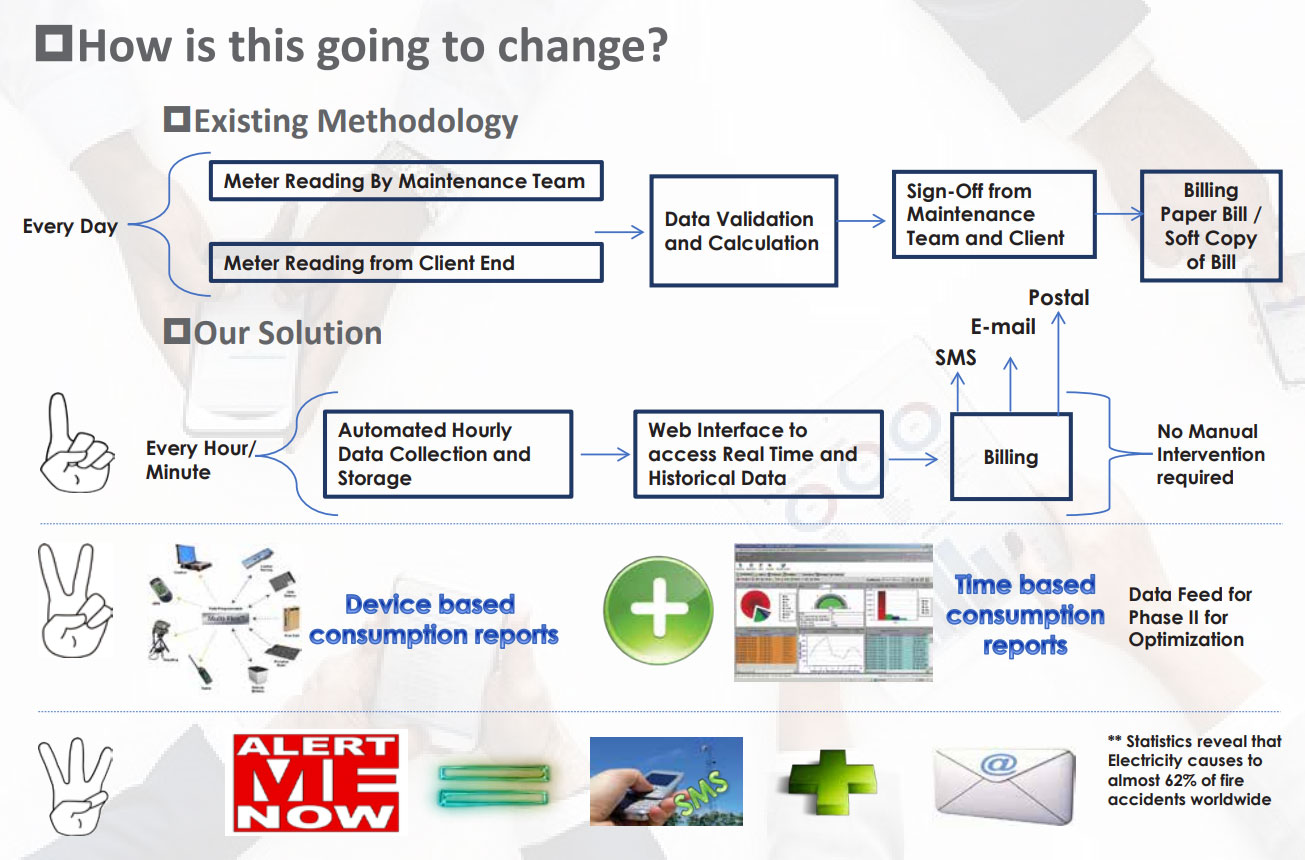
Benefits:
- No more manual process of data collection and consolidation for Billing to be taken by building management nor its clients
- Accurate Data as it is automated
- Real time and Historical Data available and retrievable at any given point of time
- Waiting Time significantly reduced for building management Team and Their Clients
- Billing is completely automated with advanced features (Via SMS, Email, Postal)
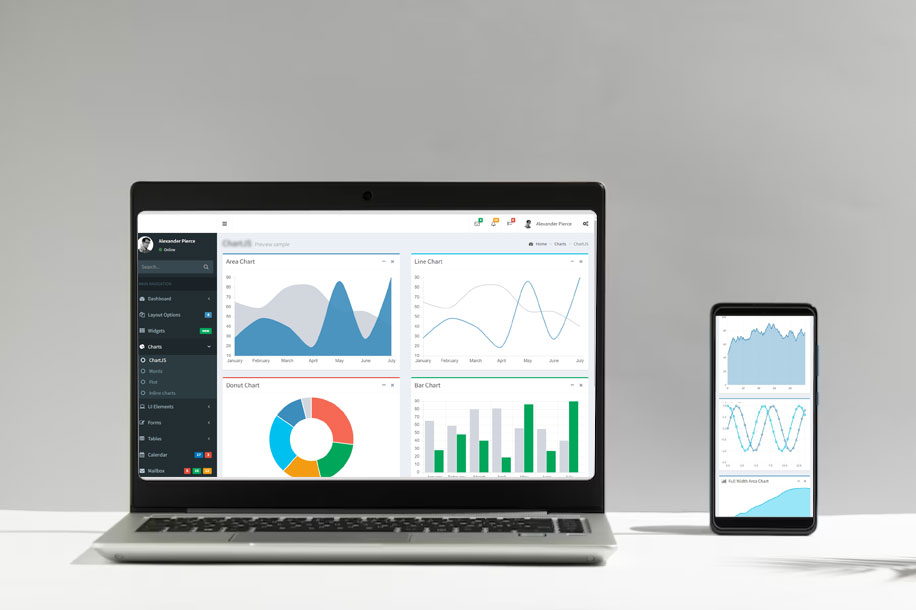
- All Clients and Building Facility Department Personnel would be able to access data from anywhere as it is a web interface
- Alerting feature provides us a heads up to understand any failures of devices. A Pro-active monitoring instead of reactive complaints from customers
Our Integrated Solution Lets You:
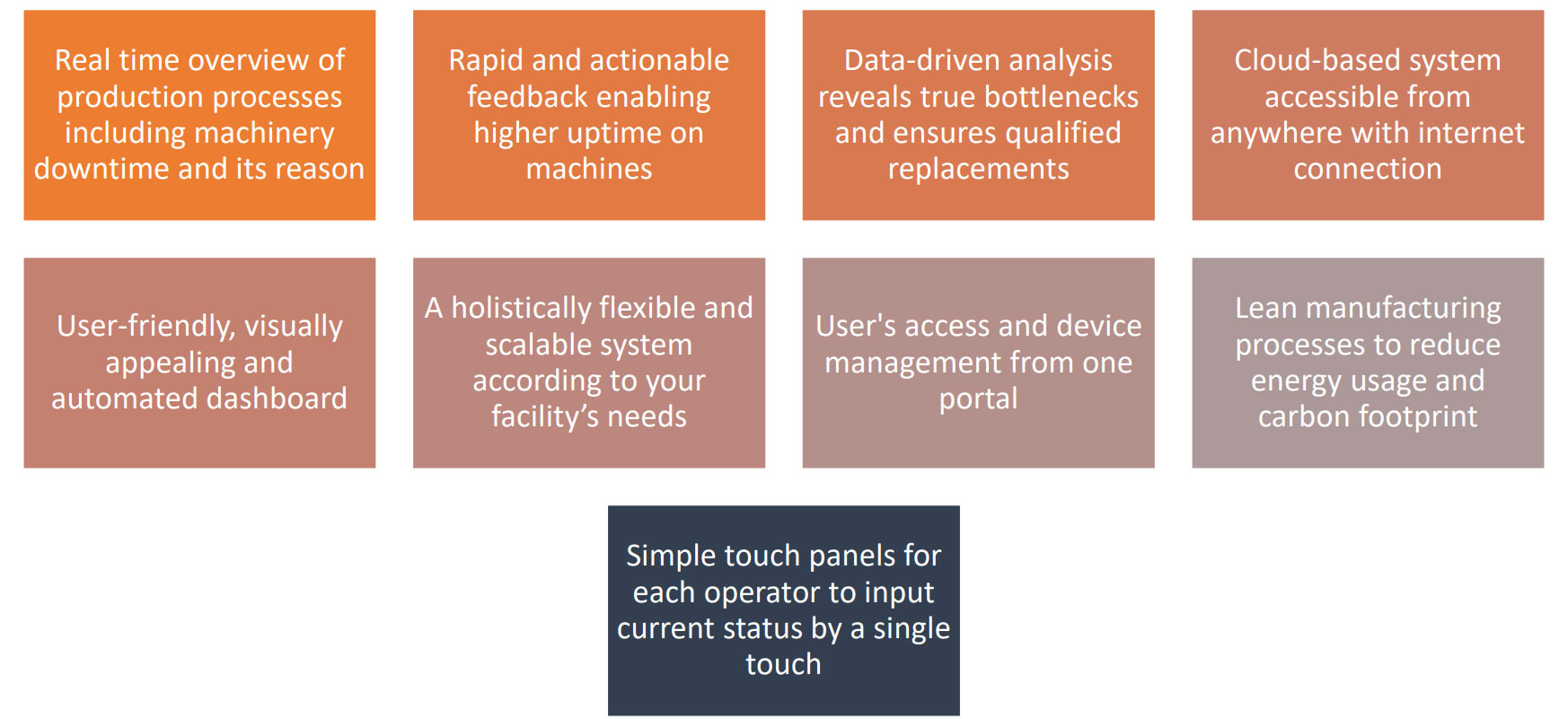
- Locate bottlenecks and eliminate downtime
- Increase production worth upto 10%
- Integrate legacy equipment, no rip-and-replace required
- Automate commands -have full transparency in the production process
- Remotely monitor entire factory workflow
- Make better future decisions with business-critical knowledge
Key Features
Energy Management
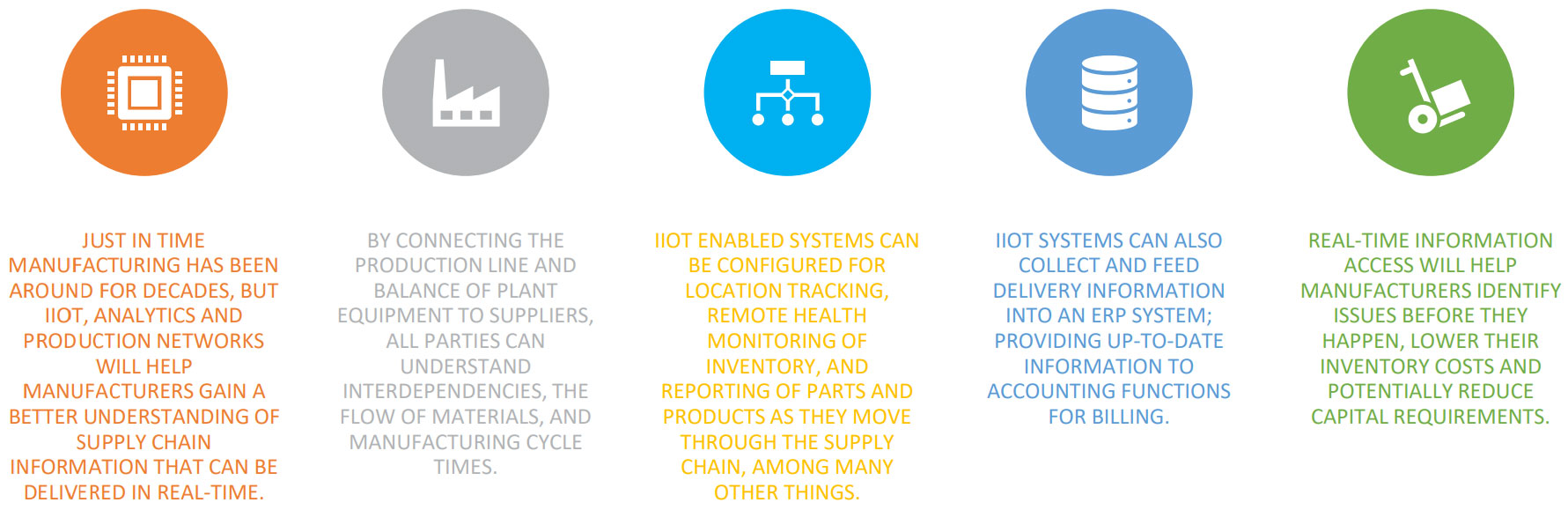
- In many industries, energy is frequently the second or third largest operating cost behind material and direct labor. However, many companies lack cost effective measurement systems, modeling tools, and/or performance management tools to optimize energy use in individual production operations, much less in realtime across multiple operations, facilities, or an entire supply chain.
- There are numerous ways that IIoT and automation of environmental controls such as HVAC and electricity can create cost savings for manufacturers.
- Connected energy solutions can provide peak demand charge avoidance and enable economy model operations.
- Certain IIoT-enabled systems also offer integrated weather data and prediction analysis to help manufacturers understand expenses and plan energy usage.
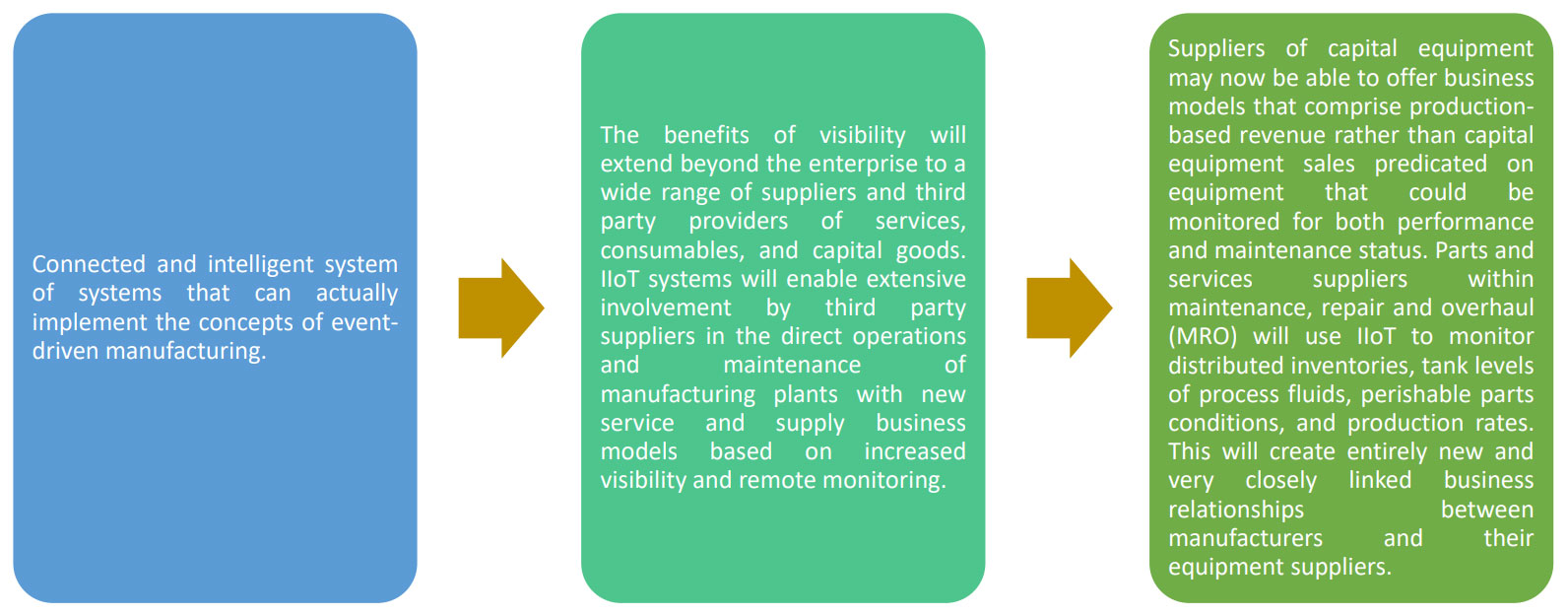
Connected and Intelligent System
Predictive and Proactive Maintenance
- Manufacturers have widely accepted the concept of preventative and condition -based monitoring but many remain in the process of implementing these programs, often extending projects because monitoring technology continues to improve and change.
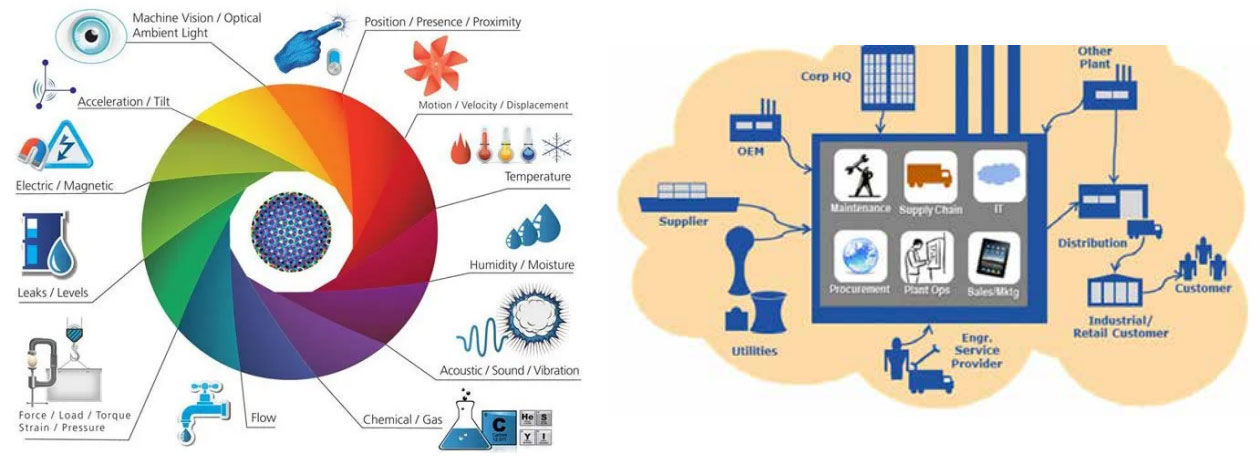
- Today, lower cost sensors, intelligent sensors, wireless connectivity, and big data processing tools make it cheaper and easier to collect actual performance data and monitor equipment health . If a manufacturer has equipment that is designed to operate within a certain temperature, vibration, or stress range, the company can use sensors to actively monitor when it goes out of range and prevent malfunctions.
- Measuring vibrations, as mundane as that appears to be, to detect out of specification machines and equipment is a frequently cited example of condition monitoring . Businesses, particularly industrial businesses, lose money when equipment fails.
- With next generation intelligent sensor information, IIoT can monitor, collect, and analyze data to provide a manufacturer with information to improve overall equipment effectiveness (OEE), save money by minimizing equipment failure, and allow the company to perform planned maintenance based on predictive condition monitoring.
- Moreover, by applying advanced analytics to long established equipment monitoring practices, factory operations managers can begin to apply longer term asset management practices that will prolong the operational lifecycle of assets and significantly reduce operational costs.
Connected Supply Chain